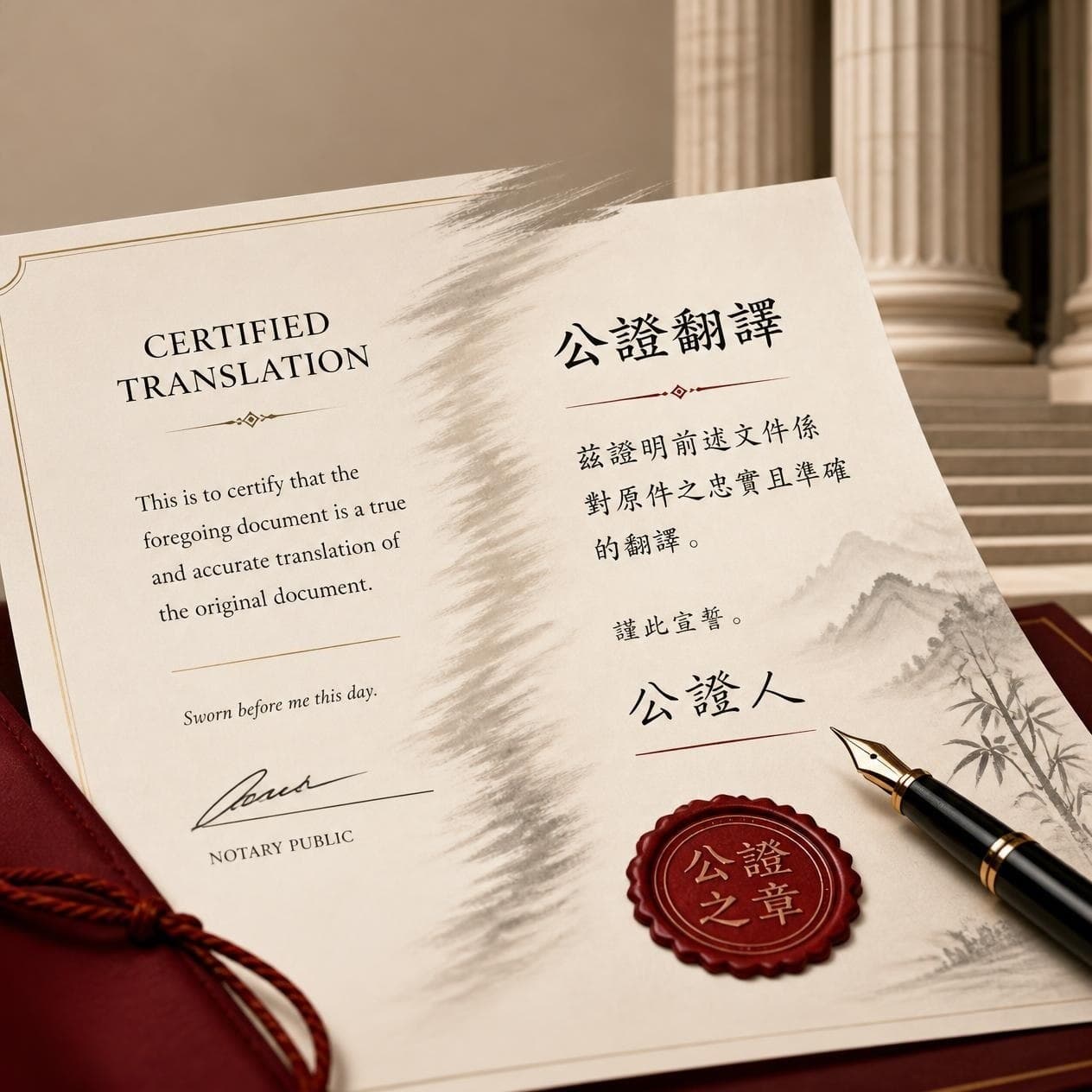
Official translation for an embassy or university: confirming requirements
A guide to preparing official translation for an embassy or university application: format, certification, transliteration, and timing.

What official-translation requirements depend on
Embassies, universities, and other receiving organisations can set different requirements for the same document. Their rules may vary by language pair, translator certification, notarization, required attachment, or whether the original must be shown.
For that reason, plan an official translation from the receiving organisation’s instructions rather than an assumption. Keep the requirement from the application portal, email, or official website and include it with the order.
Passports, diplomas, transcripts, birth certificates, and reference letters are often submitted as one package. Checking name spelling and dates across the entire set in advance helps avoid follow-up questions.
- Obtain the receiving organisation’s requirements in writing
- Send the complete document set
- Allow time before the submission deadline
A practical embassy and university checklist
List every page and attachment that needs translation. A diploma may need its supplement or transcript, while a passport may require more than the identity page if there are relevant stamps or notes.
Confirm the delivery format: paper copy, electronic PDF, translation bound to the original, or a separate certificate. This makes it possible to prepare a result that is ready to submit.
- Verify the required language and accepted format
- Compare names and dates of birth with the originals
- Ask separately whether notarization or an apostille is needed