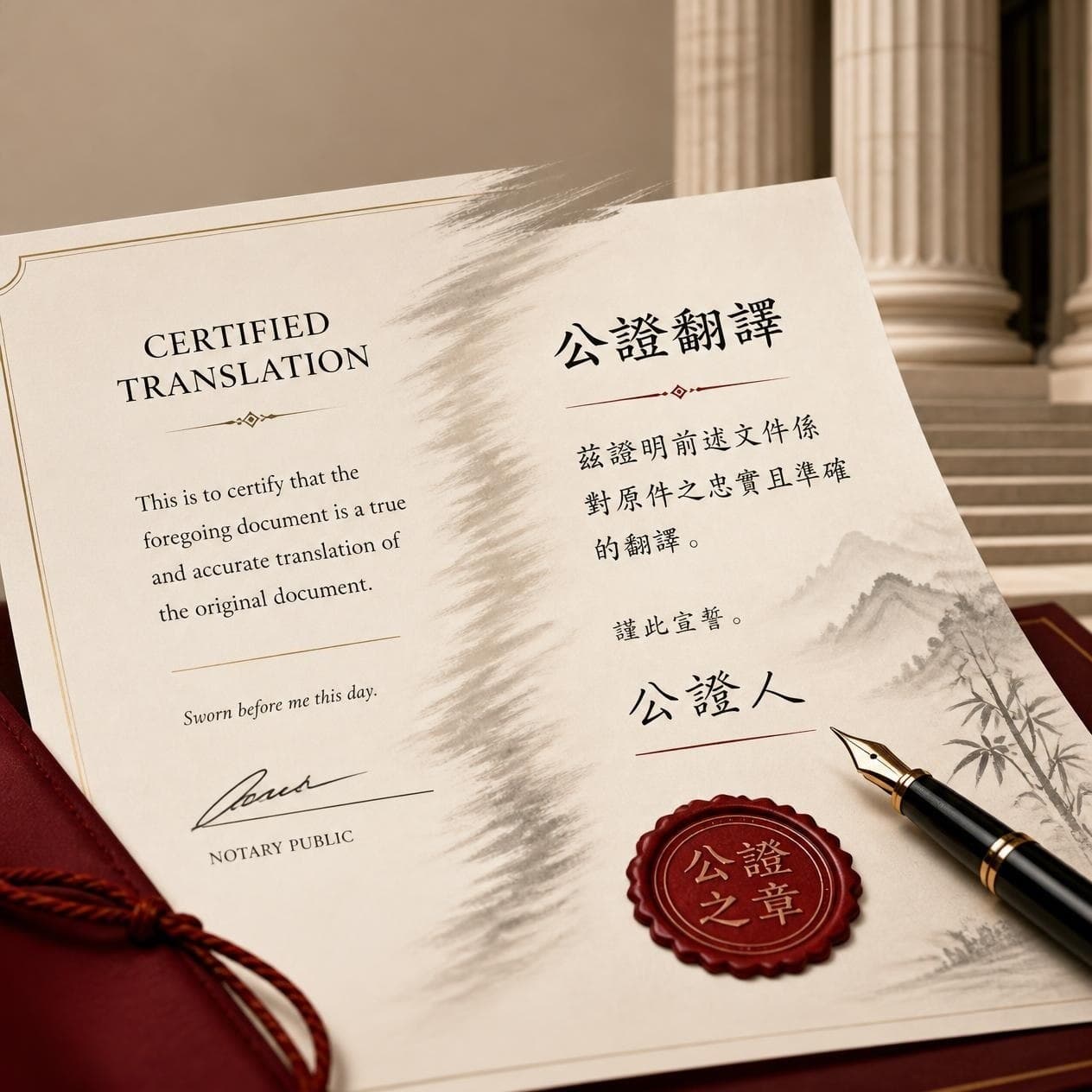
Certified translation in Tashkent: a checklist before submitting documents
A practical guide to preparing certified translations of passports, diplomas, and certificates: receiving-party requirements, checks, and ordering steps.

When certified translation is required
Certified translation is commonly requested when a passport, diploma, birth certificate, reference letter, or contract is submitted to an official organisation. The required form of certification, however, varies by government office, university, embassy, or employer.
Before placing an order, confirm the destination country and receiving organisation. They may require only a translation, a translator’s certificate, or notarization; checking this first saves both time and unnecessary cost.
A careful translation preserves names, dates, document numbers, and information on stamps. Explaining unclear parts of the source and confirming the required spelling gives the finished document a better chance of being accepted without corrections.
- Share the receiving organisation’s written requirements
- Scan every page and attachment
- State the language, deadline, and certification needed
Checking your documents before ordering
The scan should be clear, complete, and show every corner of the page. Reverse sides, attachments, stamps, and handwritten notes can also matter. Sending only the main page often means the translation has to be reopened later.
If a name is spelled differently across a passport, diploma, or other records, ask the receiving organisation which spelling it expects. Using one consistent transliteration in the translation keeps the document package easier to review.
- Check scan legibility on a phone as well as a computer
- Choose the source document for name transliteration
- Allow for the receiving organisation’s deadline