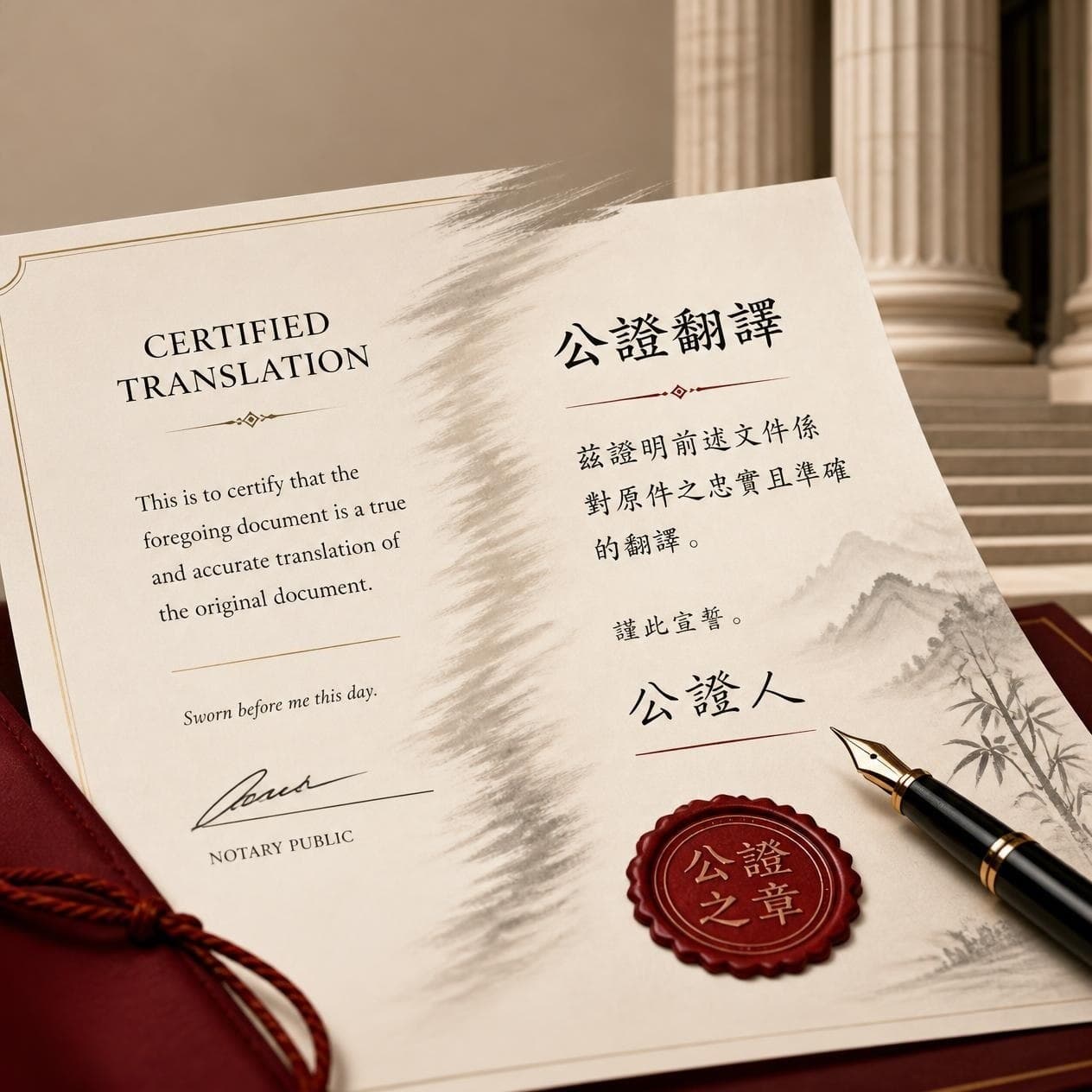
Certified, official, and website translation: choosing the right service
Learn when certified or official translation is needed, how to plan professional website translation, and what to prepare before placing an order in Tashkent.

The difference between certified, official, and website translation
Certified or official translation is commonly needed when documents are submitted to a government office, university, embassy, or another receiving institution. Before ordering, confirm the exact certification and formatting requirements for your case.
Website translation requires more than translating page copy: interface text, service pages, buttons, and SEO-critical headings and descriptions all need to be localized consistently. The result should read naturally for each site audience.
For an accurate quote and timeline, share the source files or page links, required languages, deadline, and any receiving-party requirements. This helps select the right workflow for documents or a website.
- Confirm whether a document needs certification or notarization before translation begins
- Prepare a list of website pages, files, and interface elements that require localization
- Keep names, terminology, and brand voice consistent across every language version
How to confirm document-translation requirements
The term certified translation can mean different things to different receiving organisations. Some accept a translator’s certification or an agency stamp, while others require notarization, an apostille, or a prescribed attachment. If the receiving organisation provides written instructions, include them with the order; it is the safest way to avoid rework.
The translated content, names, dates, numbers, and document references need to match the source. Explain anything that cannot be interpreted without context in advance, especially name spellings and abbreviations. This reduces corrections before the document is submitted.
- Share the receiving organisation’s exact certification requirement
- Include every source page and attachment in one complete set
- Confirm the required spelling of names, addresses, and organisation names
SEO and user experience in website translation
Professional website translation extends beyond body copy. Navigation, forms, error messages, image captions, meta titles, and descriptions also need localization. Otherwise visitors encounter mixed languages and search engines have less clarity about the page language and purpose.
Each language version should use terms that local customers actually search for, rather than a word-for-word duplicate. Translating service pages, contact and request flows first, then articles and supporting content, creates a clearer scope and a more useful launch sequence.
- Write separate meta titles and descriptions for every locale
- Localize buttons, forms, and error messages as well as page copy
- Review links, numbers, and the mobile experience before publishing